Choosing Your First Watercolor Set: Essential Tips for Beginners
Watercolor painting offers a versatile and rewarding creative outlet, but selecting the right materials for the first time can feel overwhelming. Many beginners are drawn to the medium by its luminous washes and forgiving nature, yet the sheer variety of paints, brushes, and paper on the market often leads to confusion. A thoughtful approach to choosing your first set can help build confidence and make the learning process more enjoyable. Instead of focusing on expensive professional-grade items, the goal is to find reliable, affordable supplies that allow for practice and experimentation.
This guide covers the essential components of a starter watercolor kit: paints, brushes, paper, and a few helpful extras. Each element plays a distinct role in how colours behave and how comfortable the painting experience feels. By understanding the basic characteristics of these materials, beginners can make informed decisions and avoid the common pitfalls that arise from impulse purchases or misleading product descriptions. The emphasis here is on process and exploration, not on achieving a polished result from the very first attempt.
Whether you are an absolute novice or someone returning to the medium after a long break, the following sections offer practical context to help you evaluate what suits your approach and budget. Remember that every artist develops personal preferences over time, so the first set is simply a starting point—a foundation for learning rather than a permanent choice.
Understanding Watercolor Paint: Types and Qualities
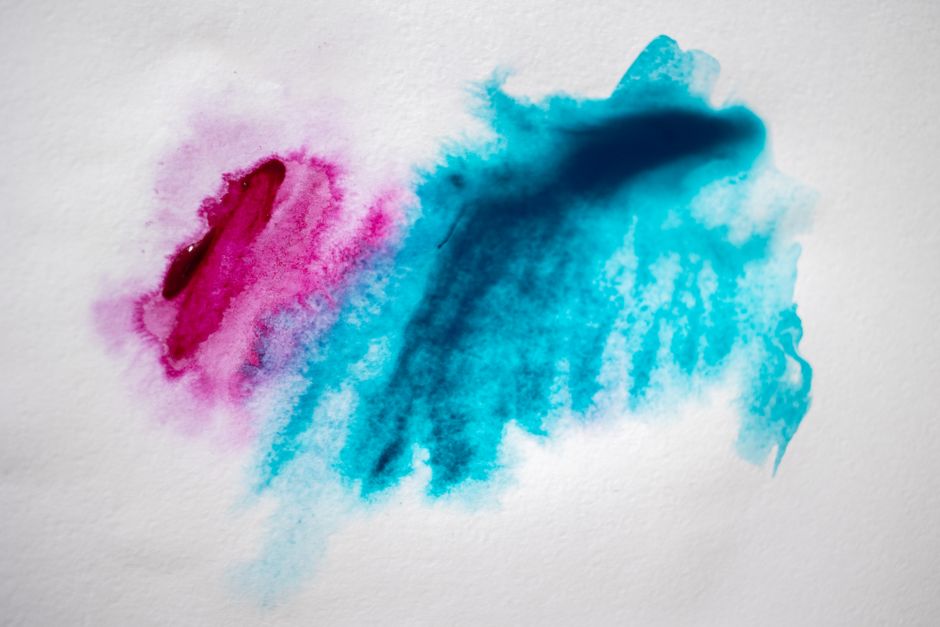
Watercolor paint is generally divided into two broad categories: student-grade and artist-grade. Student-grade paints contain less pigment and more filler, which results in lower tinting strength and slightly less vibrant washes. They are significantly more affordable, making them a sensible choice for beginners who are still learning how water behaves on paper. Artist-grade paints, on the other hand, have a higher pigment concentration and often use more lightfast materials, but the price can be prohibitive for a starter set.
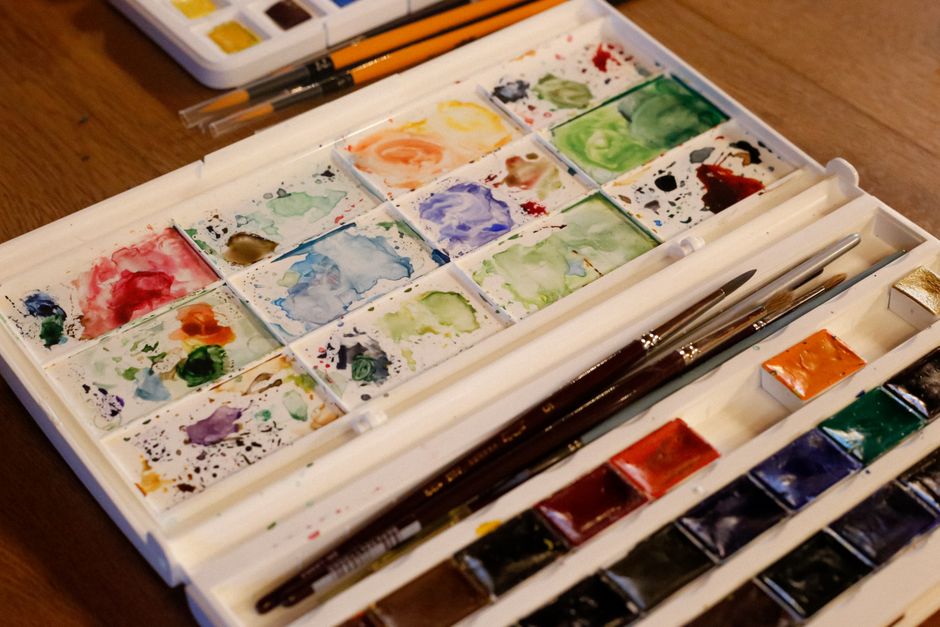
Another important distinction is between pans and tubes. Pan paints are solid cakes that are reactivated with water, while tube paints are semi-liquid and can be squeezed onto a palette. Pans are compact and dry more slowly during use, which suits small workspaces and portable kits. Tubes allow for easier mixing of larger quantities and produce a more concentrated colour, but they require a palette with wells. Many beginners find a small set of half-pans to be a convenient and tidy introduction, as they reduce the risk of over-squeezing and waste.
For a first set, it is wise to look for a range of 12 to 18 basic colours that includes a warm and cool version of each primary hue, plus a few earth tones and a neutral dark. This selection provides enough variety to mix a wide spectrum without overwhelming the user. Brands that offer student-grade ranges with good lightfastness ratings are a practical starting point. Some companies also produce beginner-oriented sets that include a mixing guide, which can help demystify colour theory.
Choosing the Right Brushes for Beginners
Brushes are often the second item a beginner considers, and the choices can be equally confusing. The most important factors are the shape, size, and type of bristle material. Round brushes are the most versatile for watercolour because they can create both fine lines and broad washes depending on how much pressure is applied. A size 6 or 8 round brush is a good all-rounder for a starter kit. A flat brush, around half an inch wide, is useful for covering large areas and creating sharp edges.
Synthetic brushes have improved considerably in recent years and are now a practical alternative to natural hair brushes like sable. They hold a decent amount of water, spring back to shape, and are much more economical. Natural bristle brushes, while offering superior water retention and flow, require more care and are typically reserved for more experienced painters. For a beginner, a set of three synthetic rounds (sizes 4, 8, and 12) and one flat brush provides a functional range without overcomplicating the kit.
It is worth noting that brush quality affects how easily paint lifts off the paper and how smoothly layers blend. A poorly made brush may shed hairs or lose its point quickly, which can be frustrating during painting sessions. Reading reviews from other beginners or checking for brushes labelled as suitable for watercolour can help avoid such issues. Many affordable brands now offer reliable synthetic options that perform well enough for practice and early projects.
Selecting Watercolor Paper: Weight and Texture
Paper is arguably the most critical component of a watercolour setup, yet it is often overlooked by newcomers. Standard office paper or thin sketchbook pages cannot handle the moisture of watercolour and will buckle, tear, or disintegrate. Watercolour paper comes in different weights, measured in grams per square metre (gsm). A weight of 200 gsm or more is recommended for most applications, with 300 gsm offering a good balance of durability and affordability. Heavier paper (around 600 gsm) is less likely to buckle but costs more.
Texture is another key consideration. Cold-pressed paper has a slight tooth that holds paint well and is the most common choice for beginners. Hot-pressed paper is smoother, which makes it suitable for fine detail but can cause washes to dry more quickly and unevenly. Rough paper has a pronounced texture that creates interesting effects but may be harder to control at first. A block of cold-pressed paper in around A5 or A4 size is a practical way to start, as blocks are glued on all sides to prevent buckling without needing a separate board.
Buying a small pad or a few loose sheets is more economical than committing to a large block. Some artists recommend trying a few different textures early on to see which feels most comfortable. Paper that is too thin or poorly sized will absorb paint unevenly and lead to frustration, so it is worth investing a little extra in a reputable brand’s student-grade range. Over time, you may develop preferences for specific surfaces, but the initial goal is to find paper that simply works reliably.
Essential Accessories and How to Avoid Common Mistakes
Beyond paints, brushes, and paper, a few simple tools can make the watercolour process smoother. A palette with separate wells for mixing is useful, especially if using tube paints. Some beginners prefer a ceramic plate or a plastic palette with a lid, as it keeps paints moist longer. A reliable water container, preferably two jars—one for rinsing and one for clean water—helps maintain colour purity. Masking tape can be used to secure paper to a board and create clean edges, though it is not essential.
One frequent mistake is trying to buy an all-in-one set that includes poor-quality materials. Many boxed sets contain brushes that shed, tiny pans of chalky paint, and thin paper that warps immediately. Another common error is purchasing too many colours at once. Beginning with a limited palette encourages colour mixing skills and prevents decision fatigue. Additionally, neglecting to test materials before a major project can lead to unpleasant surprises—it is worth doing a few small swatches to understand how each paint behaves on the chosen paper.
Budget also plays a role in the choices beginners make. It is possible to spend a modest amount on a quality starter kit that includes decent paint, brushes, and paper from reputable student-grade lines. Avoiding the cheapest options while also resisting the urge to buy professional materials before understanding the medium is a balanced approach. Gradually upgrading individual items as your skills develop is a more sustainable way to build a watercolour collection.
Learning watercolour is a process of observation and adaptation. The supplies you choose are not a guarantee of success, but they can either support or hinder your experience. A well-considered first set allows you to focus on technique and enjoyment rather than wrestling with unreliable materials.
Finally, remember that no single set works perfectly for everyone. Factors such as your painting style, the space you work in, and the subjects you prefer will all influence your satisfaction with a particular combination. Starting with affordable, reliable items and exploring different options over time is a practical way to build confidence. The goal is not to become an expert overnight, but to discover a creative practice that feels both accessible and rewarding.