Wet-on-Wet vs Wet-on-Dry: Watercolor Techniques Explained
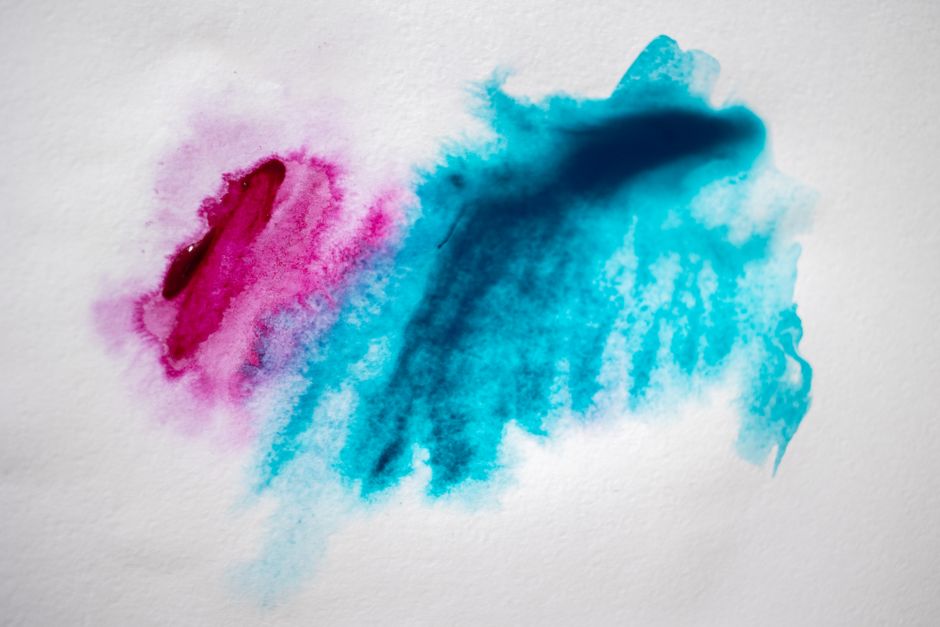
Watercolor painting offers a range of approaches for applying pigment to paper, with wet-on-wet and wet-on-dry being two foundational techniques. Each method influences how colours interact, how edges appear, and how much control an artist can exercise during the painting process. Understanding the differences between these techniques allows painters to select the most suitable approach for a given subject or desired visual effect.
Both techniques rely on the moisture level of the paper at the moment pigment is applied. The timing of brushstrokes relative to the wetness of the surface determines whether colours blend softly or remain crisp. Factors such as paper type, ambient humidity, and the amount of water in the brush also contribute to the outcome. This article explores the characteristics of wet-on-wet and wet-on-dry painting, compares their effects, and offers guidance on when each technique might be used for specific painting situations.